
When a remodel has a permit, it also has inspections. An inspector from the building department visits at set stages to check that the work meets code. For homeowners, inspections are a useful independent check on the work, and the records they create become part of the home’s history.
Key takeaways
- Inspections happen at set stages, often before walls are closed and at the end.
- The permit holder schedules them, usually the contractor.
- Keep every inspection result in your project binder.
Why inspections matter
The City of Las Vegas homeowner guide explains that permits and inspections help assure code-compliant work and create a permanent record of the work performed and inspections conducted. The same guide notes that a permit means a certified inspector will examine the project, which gives do-it-yourselfers a chance to ask an expert questions.
Typical stages
The exact stages depend on the project and the building department, but many remodels follow a similar pattern.
| Stage | What is usually checked | Why timing matters |
|---|---|---|
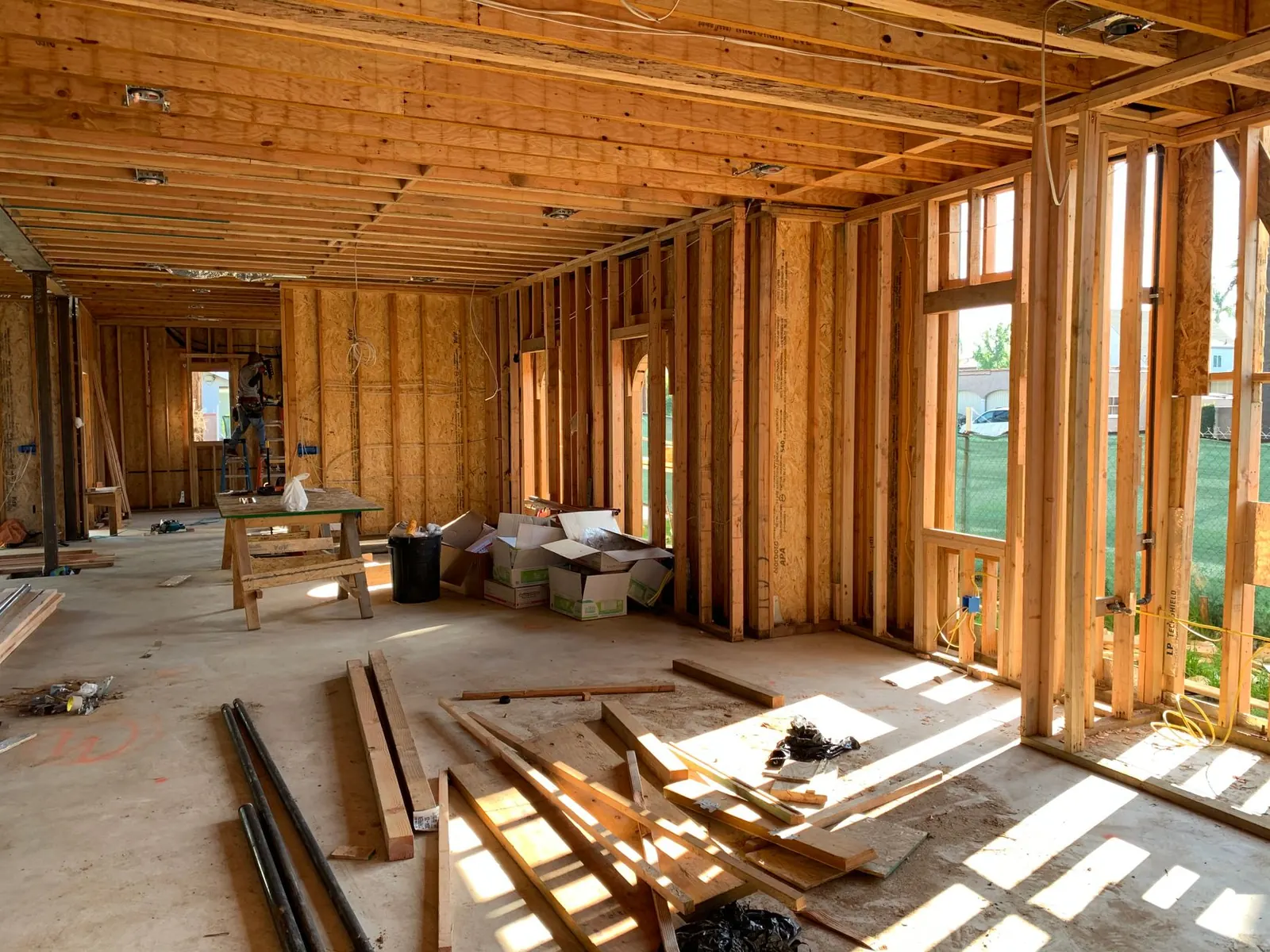
| Rough or in-wall | Framing, wiring, plumbing and ducts before walls close | Once drywall is up, this work is hidden |
| Specific items | Items such as a water heater or equipment change | Often a separate plumbing or mechanical permit |
| Final | Completed work, fixtures, safety devices | Closes the permit and completes the record |
Who schedules inspections
The permit holder schedules inspections. When a licensed contractor pulls the permit, that is the contractor. The City of Las Vegas and the City of Henderson both offer online inspection scheduling, and both let you check inspection results online. Ask your contractor to tell you each inspection date and to share the result.
How to prepare
- Make sure the work area is accessible and the permit is posted as required.
- Keep approved plans on site if the office requires them.
- Secure pets and clear a path to the work.
- Be available, or make sure the contractor is, to answer questions.
Tip: Take your own photos of open walls right before the rough inspection. They show where pipes and wires run, which is useful years later.
If an inspection fails
A failed inspection is not unusual. The inspector notes what needs correction, the contractor fixes it, and a re-inspection is scheduled. Ask the contractor for the correction list and file it with the permit. Do not allow walls to be closed over work that has not passed.
Inspections and payments
Tie progress payments to passed inspections where it makes sense. For example, a payment for rough plumbing can follow a passed rough plumbing inspection. This keeps payments in step with verified work. See Deposits and Payment Schedules: Paying for a Remodel in Stages.
Looking up past permits
The City of Las Vegas lets you check permits on an address or parcel and see the status of plan reviews and inspections. This is useful when buying a home or before remodeling one, to see what work was permitted before.
Questions to ask the inspector
If you are present, a few polite questions can teach you a lot about your home. You might ask what the inspector checked, whether anything needs to be corrected, and what the next inspection will look at. Keep questions short and let the contractor handle technical discussion. Write down any correction items and confirm with the contractor when they will be fixed. Inspectors check code compliance, not quality of finish or whether the work matches your contract, so you still need your own walk-through.
Inspections are not a quality guarantee
A passed inspection means the work met the code items the inspector checked at that stage. It does not confirm that tile is straight, paint is even or the materials match what you paid for. Those are contract questions between you and the contractor. Use a punch list at the end of the job, as the Contractors Board recommends, to note minor work that still needs finishing or repair.
Owner-builder inspections
If you are doing the work yourself under Nevada’s owner-builder exemption, you schedule and attend the inspections. The City of Las Vegas guide encourages do-it-yourselfers to use the inspector’s expertise and to get copies of permits and inspections for their records.
Common mistakes
Closing walls before a rough inspection is the most costly mistake, because the work may have to be exposed again. Another is losing track of permits that were never finaled, which can surface when you sell.
Frequently asked questions
Do I have to be home for an inspection?
Someone must give the inspector access. Ask your building department about its requirements.
What does “finaled” mean?
It means the final inspection has passed and the permit is closed.
Can I see the inspection results?
Yes. Ask your contractor, or look up the permit through your building department’s online tools.
Learn what happens when work skips this process in Unpermitted Work: Why It Matters When You Insure or Sell.