
A scope of work is a plain description of what you want done. It is the single most useful document in a remodel, because every bid, contract and change order refers back to it. When contractors bid on different ideas of the job, their prices cannot be compared. When they all bid on the same written scope, you can see real differences.
Key takeaways
- Describe the work room by room, with finishes and fixtures.
- Give every contractor the same scope, plans and photos.
- Mark what you are not sure about as an allowance or an option.
What the Contractors Board says about bids
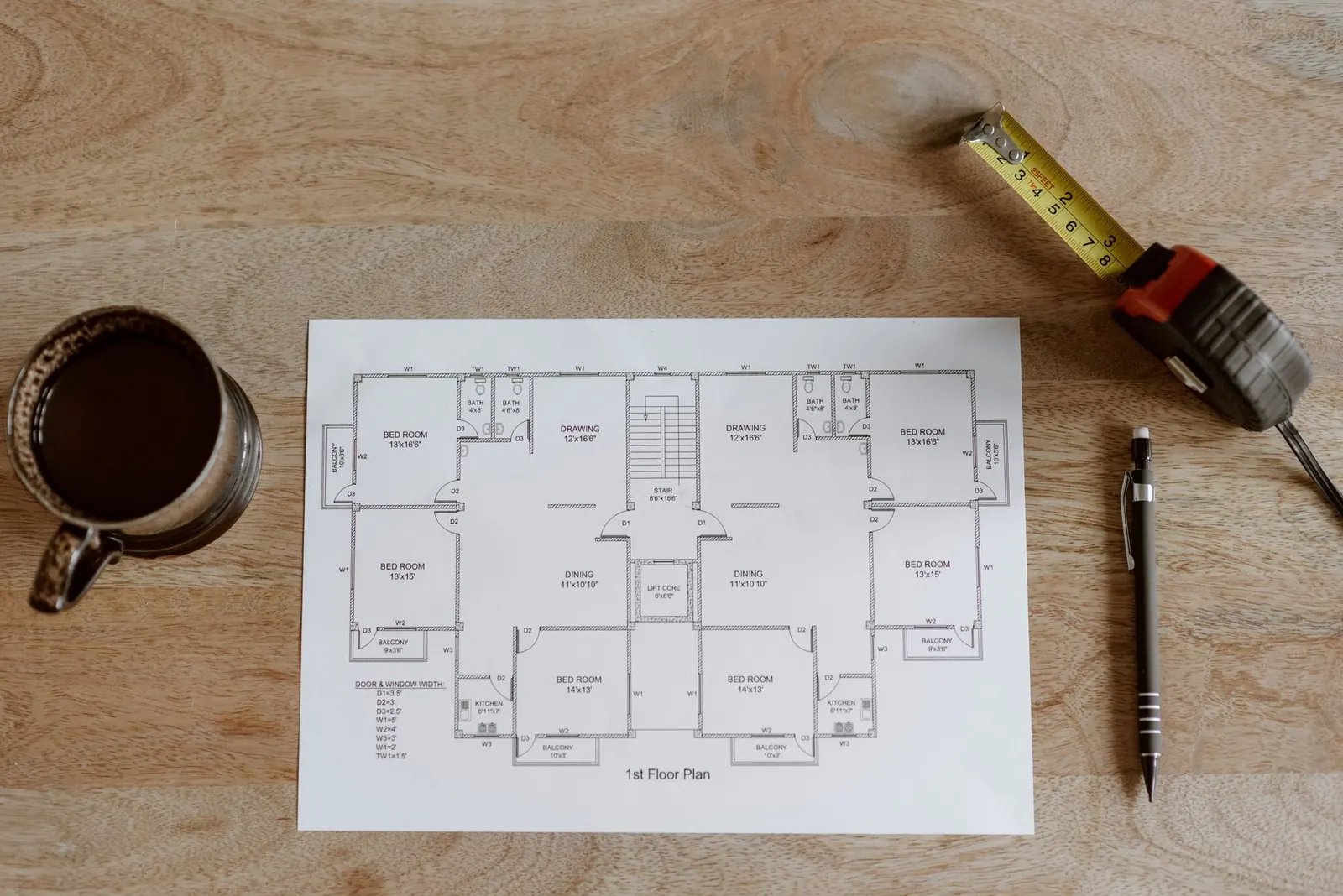
The Nevada State Contractors Board recommends getting at least three written bids and providing contractors with accurate plans or drawings so they can determine the scope of work and costs. It also warns that a bid much lower than the others may mean the contractor made a mistake or left out work that others included. A written scope is how you spot that difference.
What a good scope includes
- The rooms or areas involved, with rough measurements.
- What stays, what is removed and what is new.
- Fixtures and finishes, with model names or photos where you have them.
- Changes to walls, plumbing, wiring, heating or cooling.
- Who supplies which materials.
- Access, working hours, parking and protection of the rest of the home.
- Clean-up and disposal of debris.
Scope vs. contract
| Scope of work | Contract | |
|---|---|---|
| Written by | Usually the homeowner, sometimes with a designer | The contractor, reviewed by you |
| Purpose | Describe the job so it can be priced | Make the agreement binding |
| Includes price? | No | Yes, the exact amount due |
| Changes | Edit freely before bids | Only by signed change order |
Use allowances for undecided items
If you have not chosen a tile or a faucet yet, ask contractors to include an allowance, a set placeholder for that item, and to state it clearly in the bid. Make sure each contractor uses the same allowance so bids stay comparable. When you choose the final item, the difference is handled in writing.
Flag work that may need a permit
Note anything that may need a permit, such as moving a wall, relocating plumbing, adding electrical circuits or changing heating and cooling equipment. The City of Las Vegas homeowner guide lists these types of work as needing permits, while painting, cabinets, countertops and floor coverings generally do not. Ask each contractor to say in the bid who will obtain permits. See When You Need a Building Permit in Las Vegas.
Add photos and a simple sketch
A hand sketch with measurements and a few photos of the current space answer many questions before a site visit. Add photos of finishes you like. Contractors can price a picture more reliably than a phrase such as “modern look.”
Tip: Number every line in your scope. Ask contractors to price or comment by line number. It makes bids much easier to compare side by side.
Send the same package to everyone
Put the scope, sketch and photos into one file and send the identical package to each contractor you invite to bid. If one contractor suggests a change, decide whether to adopt it, and if you do, send the updated scope to all of them.
Describe access and protection
A scope should say how the crew will reach the work and what must be protected. Mention the entrance they should use, where materials can be stored, whether the garage is available and which floors, furniture or landscaping need covering. In a Las Vegas summer, also note whether the work will affect cooling in the rest of the house, since that may change how the job is scheduled. These details look small, but they affect price and they prevent disputes later, because each contractor prices the same conditions.
Keep a list of open questions
While writing, you will find things you cannot decide alone, such as whether an old wall can be removed or whether existing wiring can support new appliances. Put them in a short list at the end of the scope and ask every bidder to answer them in writing. Their answers are often the best way to judge who understood the job, and they give you a record of what each contractor assumed when pricing it.
Review the bids against the scope
When bids arrive, check each line against your scope. Look for missing items, different materials and different assumptions about who does what. The guide How to Compare Three Remodel Bids walks through this step by step.
Common mistakes
Homeowners often describe the result they want but not the work, such as “update the bathroom.” Others leave out demolition, disposal or patching of nearby walls, which then appear as extra charges. Another mistake is changing the scope during bidding without telling every contractor.
Frequently asked questions
Do I need a designer to write a scope?
Not for most small and mid-size projects. For structural changes or additions, plans from an architect or engineer may be required for a permit anyway.
How detailed should it be?
Detailed enough that two contractors would price the same job. If you are unsure, add a question for the contractor to answer in the bid.
Can the scope change after I sign?
Yes, but only through written change orders signed by you and the contractor.
Keep the finished scope in your How to Set Up a Remodel Project Binder.