
Many Las Vegas homeowners stay in the house while it is being remodeled. Some move out for part of the job. The choice affects your schedule, your contract and your daily life, so it is worth deciding before you sign, not when the kitchen is already gone.
Key takeaways
- Staying home works best when the work is limited to part of the house.
- Moving out can suit whole-house work, or work that shuts off water, power or cooling.
- Agree on working hours, access and dust control in writing.
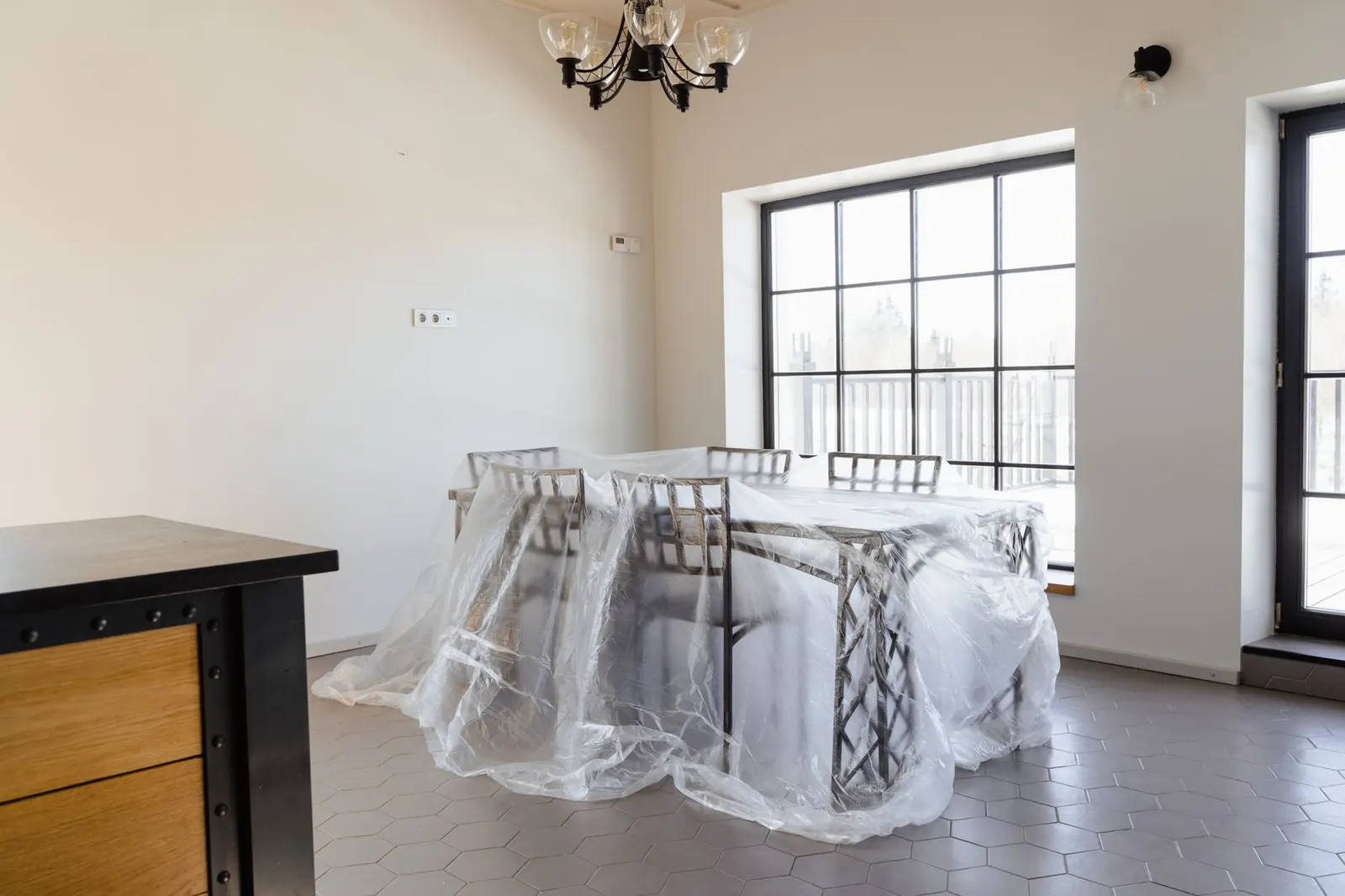
Option A: staying at home
Staying home lets you watch progress, answer questions quickly and keep your routine closer to normal. The cost is noise, dust, strangers in the house and rooms you cannot use. For a single bathroom or a kitchen with a temporary kitchen set up elsewhere, many households manage.
Option B: moving out
Moving out, even for a few weeks, removes the family from dust and noise and can let the crew work more freely. It adds the cost and effort of temporary housing and makes it harder to check the work each day. It is most common for whole-house projects or when major systems will be off for extended periods.
Comparing the two
| Stay at home | Move out | |
|---|---|---|
| Daily disruption | High | Low |
| Oversight of work | Easy, every day | Planned visits |
| Crew access | Shared space, set hours | More flexible |
| Extra costs | Temporary kitchen, cleaning | Temporary housing |
| Best for | One or two rooms | Whole-house or system shut-offs |
Which one fits
If the project touches one area and water, power and cooling stay on, staying home is usually workable. If the work will shut off cooling in summer, remove the only bathroom or affect most rooms at once, moving out for that stage is worth considering. Many households move out only for the most disruptive weeks.
Heat and cooling in a desert summer
In Las Vegas, the timing of any work that affects air conditioning deserves special care. Ask the contractor when cooling will be off, for how long, and what temporary arrangement is planned. Replacing or changing any part of a heating or cooling system needs a permit in the City of Las Vegas, so ask about inspection timing too. See Replacing a Water Heater or Air Conditioner: Permits and Planning.
Setting ground rules in writing
- Working hours and days.
- Which entrance, bathroom and parking the crew will use.
- How work areas will be sealed and cleaned each day.
- Where materials and debris will be stored.
- How keys, alarm codes and pets will be handled.
Tip: Put the ground rules in the contract or a signed addendum. Informal agreements are easy to forget when the schedule gets tight.
A temporary kitchen
For a kitchen remodel, set up a small kitchen elsewhere in the house with a microwave, a small refrigerator and a table. Plan simple meals and paper goods for the weeks when the sink is gone. The order of work in Kitchen Remodel Order of Work, Step by Step shows when the kitchen is likely to be unusable.
Protecting the rest of the house
Dust from demolition and drywall sanding travels much farther than most people expect, and it gets into air returns and ducts. Ask how the contractor will seal off the work area, whether the return vents near the work will be covered, and how often the area will be cleaned. Plan to change your air conditioning filter more often during the job. Move valuables, electronics and anything fragile out of nearby rooms before work begins, and cover what you cannot move.
Keeping communication simple
When you live in the home, it is easy to have many small conversations with the crew. Keep decisions about money, scope and schedule with one person on each side: you or one household member, and the contractor or their project lead. Agree on a regular check-in, such as a short weekly meeting, and write down what was decided. The Contractors Board recommends that any change be written and signed, so a verbal “yes” in the hallway should never replace a change order.
Safety with a crew in the house
Keep children and pets away from work areas, and ask the crew to secure tools and open wiring at the end of each day. Unlicensed workers do not carry workers’ compensation insurance, and the Contractors Board warns that if they are injured on your property, you could be held liable. That is one more reason to hire licensed contractors.
Common mistakes
Homeowners often underestimate dust. Another common mistake is assuming the crew can work around the family’s schedule without agreeing on it first. Finally, some households plan to stay but have no backup if the job runs long. Decide in advance what would make you move out for a few days.
Frequently asked questions
Does staying home slow the job?
It can, if the crew must set up and clean more often. Discuss it when you compare bids.
Should I be home when inspectors come?
It helps. Ask the contractor for inspection dates and keep the results in your binder.
Who pays for temporary housing?
Usually the homeowner, unless the contract says otherwise.
To decide how to split the work over time, read Phasing a Remodel: All at Once or Room by Room.